

Former Treyarch Dev Calls Out Royalty Gap After Black Ops Ports Generate Millions
A veteran developer who spent 15 years at Treyarch is calling for residual pay after digital re-releases of Black Ops and Black Ops II generated an estimated $435 million.

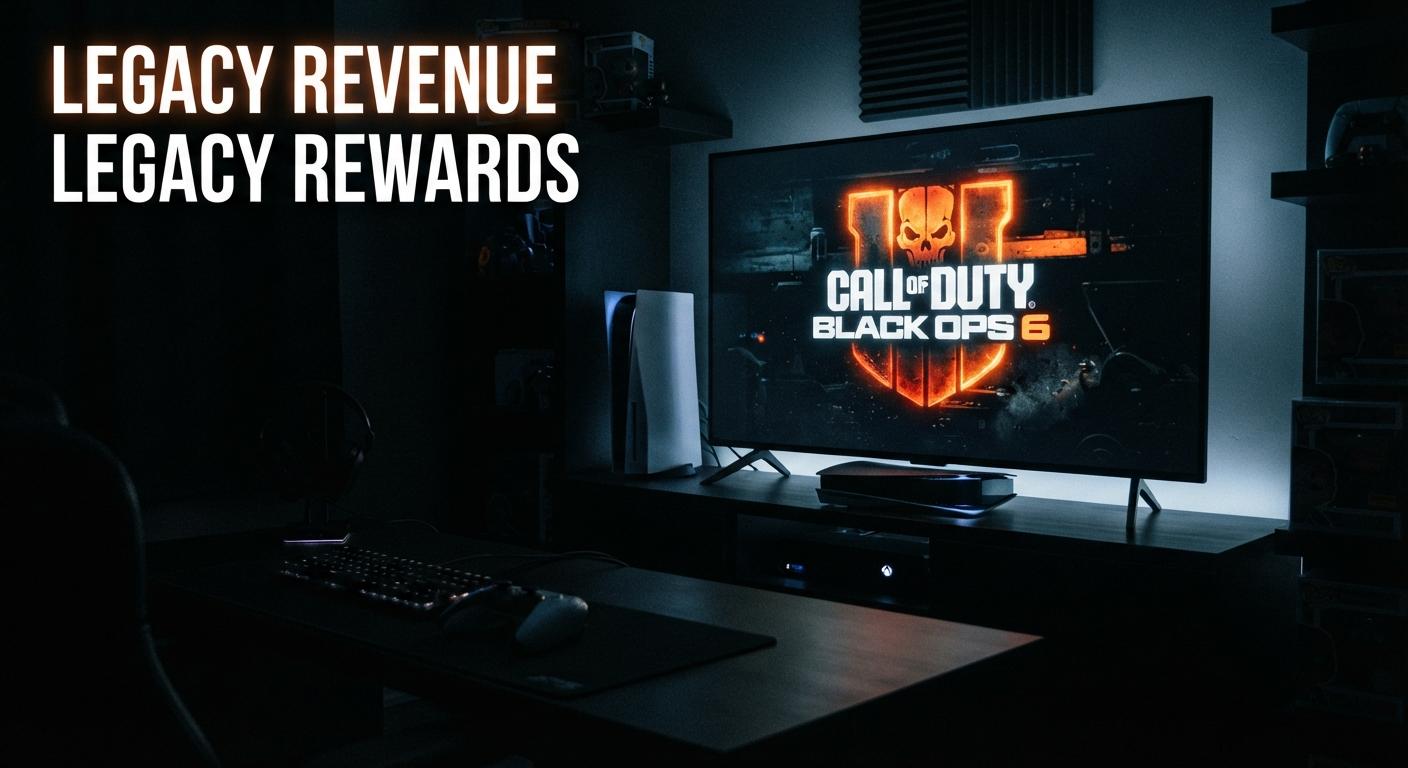
Activision released direct ports of Call of Duty: Black Ops and Call of Duty: Black Ops II for PlayStation 4 and PlayStation 5 in July 2026, generating an estimated $435 million in revenue in their debut month. The commercially successful re-releases have drawn sharp criticism from Gavin Goslin, a veteran level designer and artist who spent more than 15 years at Treyarch working on the original 2010 and 2012 releases.
Writing on LinkedIn in late October 2026, Goslin pointed out that while executives and parent company Microsoft collect windfalls from older games, the developers who originally built them receive no additional compensation. "They are printing money off of work completed over a decade ago," Goslin wrote. "Seeing our blood, sweat, and tears still dominating the charts in 2026 is amazing, but it's hard to watch the suits rake in giant financial windfalls from our old code while the actual creators don't see a dime of it."
The releases, which contain the original campaigns, multiplayer modes, and Zombies content running at 1080p, were not remastered and brought no new features or cross-play functionality. Rather than assigning the conversion work to Treyarch, Activision contracted external studio Iron Galaxy to deliver the ports. Each game launched at a base price of $39.99 on the PlayStation Store, alongside a temporary 50 percent launch discount for PlayStation Plus members.
Estimates from market intelligence firm Alinea Analytics indicate the two titles combined for 11.2 million downloads in July 2026 alone. Black Ops II accounted for roughly 8.2 million copies and $325 million in gross sales, while the original Black Ops generated about $110 million from 3 million copies. Platform operator Sony collected an estimated $130 million through its standard 30 percent store commission, leaving the remaining proceeds to Activision and Microsoft.
Dispute Over Residual Pay and Executive Bonuses
Goslin argued that the industry must establish mechanisms to share ongoing revenues from catalog titles with the staff who built them. "If executives are getting massive bonuses off the longevity of these classics, that wealth needs to be shared retroactively," Goslin wrote. "Legacy revenue should mean legacy rewards for the devs who survived the crunch to build them."
He also linked the lack of residual payments to wider instability across the games sector, stating that watching executives profit while creators face unemployment reveals a structural flaw in how game studios compensate talent. Activision marketing executive Tyler Bahl acknowledged the scale of the release to The Game Business, stating that commercial performance far exceeded internal corporate expectations.
Neither Activision nor Microsoft has announced plans to implement retroactive royalties for legacy studio staff. According to data from Ampere Analysis, the arrival of the two ports helped propel monthly active users across the Call of Duty franchise toward 40 million, ensuring the debate over catalog profits and developer compensation will remain in the spotlight.
I’m a techie & gamer turned SEO strategist with a genuine passion for technology, AI, science, and gaming. I love exploring new technology, following the latest developments, and looking beyond the headlines to understand what is really happening. I write about the latest tech news, trends, products, tools, and ideas shaping our digital world. What I share is not just news. My articles include my own views, observations, and practical experiences, written in a simple and useful way. At Penguin Lens, I enjoy sharing what I discover, what I think, and what I believe readers should know, with the goal of making technology easier to understand and more interesting to explore.
Final Fantasy Resonance Struggles to Move Past Its Mobile Gacha Roots
More in Gaming
 Gaming
Saros Receives Free Zenith Update With Boss Rush and New Game Plus
 Gaming
Viral French Store Manager Warns Against Scam Fundraisers After Riot Defense
 Gaming
Cyberpunk: Edgerunners 2 Debuts With Polarized Reviews Ahead of Update 2.5
 Gaming