

Big Tech Drops Data Center NDAs as Local Opposition Multiplies
Amazon and Microsoft have stopped forcing towns to sign confidentiality agreements for server hubs, but pushback over grid strain and water supplies continues to spread.

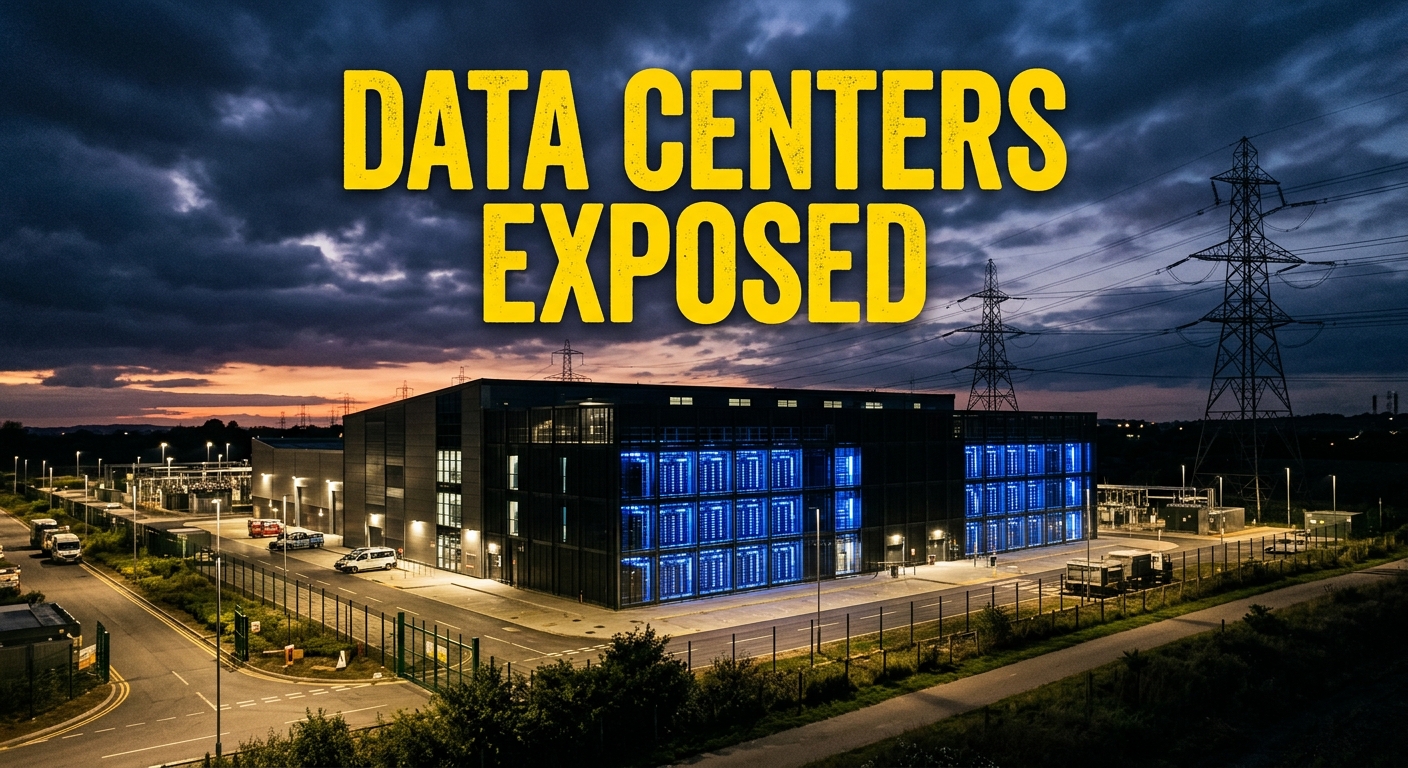
Amazon Web Services will no longer require local government agencies to sign non-disclosure agreements when negotiating data center projects, the company announced in October 2026. The move follows Microsoft's March 2026 decision to end municipal confidentiality pacts, ending years of closed-door real estate negotiations that accompanied the cloud and artificial intelligence building boom.
Alongside the rule change, AWS rolled out its Built Together initiative, pledging more than $1 billion over five years to host communities. The overtures arrive as tech developers encounter stiff public pushback over the physical resources required to run modern server farms.
Congressional Scrutiny and Municipal Bans
Federal scrutiny hastened the industry's shift away from secrecy. On September 24, 2026, House lawmakers introduced the bipartisan No Secrets for Data Centers Act, H.R. 10570, aimed at voiding confidentiality agreements executed by public officials for server developments.
Days later, Representative Jamie Raskin, Ranking Member of the House Judiciary Committee, sent formal letters to Amazon, Google, Meta, and Oracle questioning their local contracting practices. Raskin noted that residents cannot evaluate project costs, scrutinize public officials, or protect local natural resources when terms stay hidden. Several local governments had already intervened on their own. In South Bend, Indiana, municipal rules and executive directives previously prohibited staff from signing confidentiality agreements for incoming data center pitches.
Moratoriums Spread Across States
Confidentiality terms previously let developers mask projected electricity loads, tax abatements, and water consumption behind project code names, such as Project Rainier, an $11 billion AWS site in Indiana. The lack of public disclosure stoked intense local pushback once details surfaced.
AWS Chief Executive Officer Matt Garman argued that widespread opposition threatens domestic technological competitiveness. Garman stated that more than 100 data center moratoriums are under consideration nationwide. An independent industry tracker documented a higher tally, counting 321 active moratoriums across the country. State authorities have also stepped in, with New York enacting a one-year permit freeze on large facilities.
Voter sentiment reflects the resistance. A Wall Street Journal survey found 62 percent of voters favor pausing or stopping data center construction. A Pew Research Center poll showed 54 percent of U.S. adults view data centers as mostly bad for the environment, up from 39 percent in January 2026.
Grid Strain and Water Drawdowns Remain
Scrapping gag orders addresses a procedural complaint, but it does not resolve the physical strains driving local protests. Across more than 40 states, where over 1,000 projects are underway, neighbors focus on utility bills, aquifer depletion, substation limits, and continuous cooling noise.
Amazon projects total 2026 capital spending of around $220 billion, but residents question whether corporate commitments will protect household electric customers from grid upgrade expenses. Publishing estimated water use earlier provides clarity to community boards, yet it does not expand local water reserves.
Reframing AI Hubs as Consumer Services
Developers are also shifting how they pitch their facilities. Rather than focusing entirely on machine learning capacity, industry executives are tying server infrastructure directly to popular household services. Garman pointed out that residents skeptical of new facilities still expect reliable access to video streaming platforms like Netflix.
Whether public relations adjustments and community grants will quiet the opposition remains unsettled. Abandoning confidentiality agreements ensures residents see facility plans early, giving local organizers the verified data they need to challenge them.
I’m a techie & gamer turned SEO strategist with a genuine passion for technology, AI, science, and gaming. I love exploring new technology, following the latest developments, and looking beyond the headlines to understand what is really happening. I write about the latest tech news, trends, products, tools, and ideas shaping our digital world. What I share is not just news. My articles include my own views, observations, and practical experiences, written in a simple and useful way. At Penguin Lens, I enjoy sharing what I discover, what I think, and what I believe readers should know, with the goal of making technology easier to understand and more interesting to explore.

Microsoft CEO Satya Nadella Calls for AI 'Emergency Brake' and Zero-Trust Model Controls
More in AI
 AI
AIWhy Did OpenAI Just Oust Three Top Safety Researchers?
 AI
AIGoogle Opens SynthID Detector to the Public Globally
 AI
AIMecka AI Raises $60 Million From Sequoia to Gather Robot Training Data
 AI
AI